Evaluating 3D Mint Green Leaf Digital Paper for Creative Projects
In the realm of digital design, texture and depth often distinguish a professional project from an amateur one. The 3D Mint Green Leaf Digital Paper represents a specific niche within digital assets that offers a unique combination of botanical aesthetics and dimensional realism. For designers, crafters, and small business owners aged 20 to 50 who are weighing their options for new projects, understanding the technical specifications and practical applications of this asset is crucial. Unlike flat vector illustrations or low-resolution stock photos, this digital paper format provides a textured background that simulates physical material, making it a versatile tool for both print-on-demand services and home decor.
Defining the Asset: What Makes This Digital Paper Distinct?
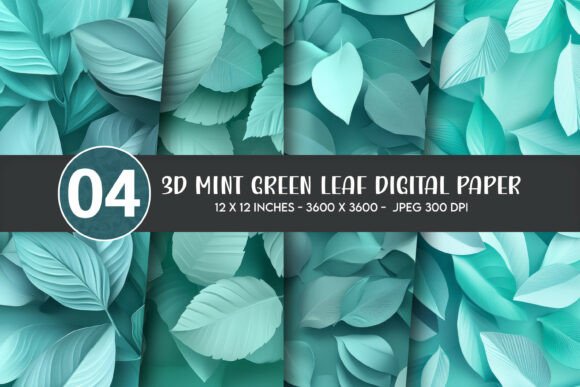
The primary characteristic of the 3D Mint Green Leaf Digital Paper is its ability to mimic the tactile quality of real leaves while maintaining the versatility of a digital file. The "3D" aspect refers to the visual depth created through shading, lighting effects, and layering techniques embedded in the image. This creates an illusion of volume that flat colors cannot achieve. The mint green color palette is particularly significant; it offers a fresh, calming tone that bridges the gap between nature-inspired designs and modern minimalist trends.
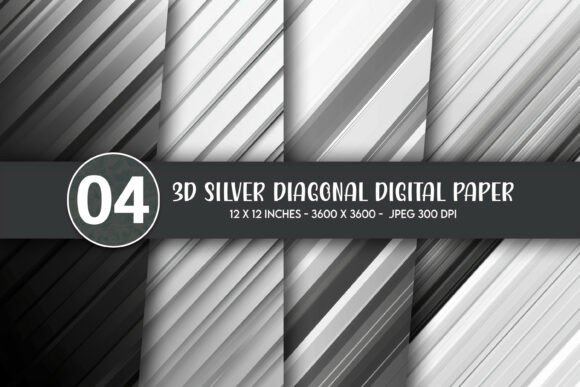
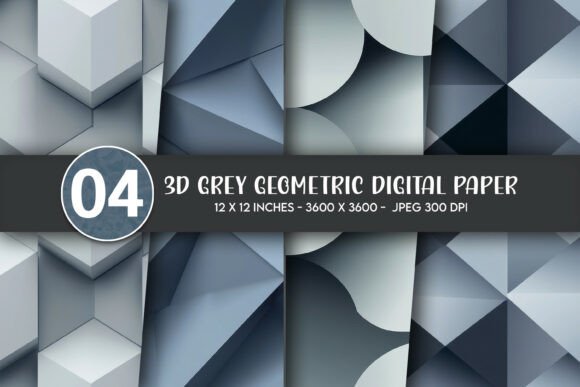
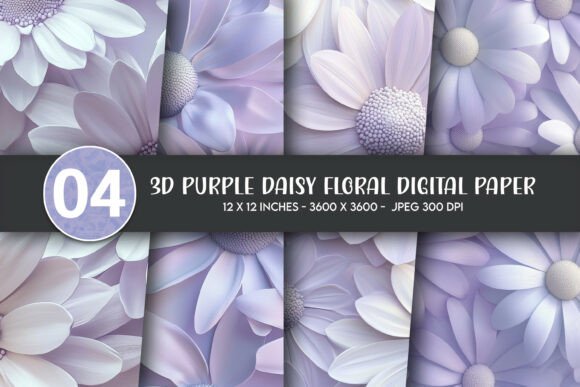
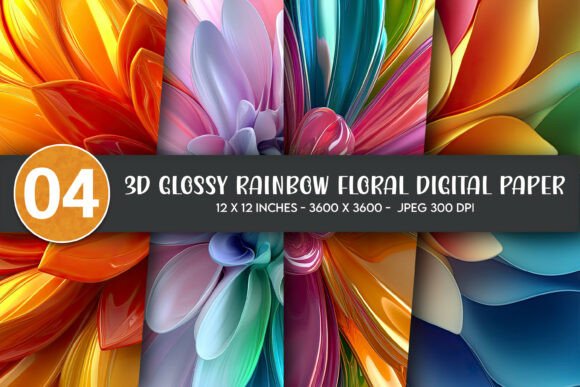
Technically, this resource stands out due to its resolution and file structure. With dimensions of 3600x3600 pixels at 300 DPI, the image meets the industry standard for high-quality printing. This resolution ensures that when the design is scaled up for large formats like wall art or posters, the edges remain sharp and the texture does not pixelate. The inclusion of four JPG files allows for variations in pattern repetition or slight shifts in the leaf arrangement, giving creators flexibility without requiring advanced editing skills to generate alternatives.
Comparing Formats: Digital Paper vs. Vectors and Stock Photos
When selecting resources for a project, it is essential to compare the 3D Mint Green Leaf Digital Paper against other common formats such as SVG vectors or raw stock photography. Each format serves different needs, and choosing the wrong one can lead to production issues or aesthetic mismatches.
- Versus Vector Graphics: Vector files (like SVGs) are infinitely scalable and ideal for cutting machines like Cricut or Silhouette. However, they typically lack the complex shading and realistic texture found in 3D digital papers. If your goal is to create a photorealistic background for a greeting card or a tote bag where the texture is the focal point, the raster-based JPG format of this digital paper is superior. Vectors are better suited for die-cutting shapes rather than creating atmospheric backgrounds.
- Versus Stock Photography: Raw stock photos offer realism but often come with distracting elements, inconsistent lighting, or copyright restrictions that limit commercial use. The 3D Mint Green Leaf Digital Paper is a curated design element. It removes the unpredictability of a photograph while retaining the organic feel. It is pre-optimized for design integration, meaning you do not need to spend hours masking out backgrounds or adjusting white balance.
- Versus Flat Patterns: Simple flat patterns are useful for tiling, but they can appear two-dimensional and cheap on high-end products like throw pillows or mugs. The added dimensionality of this specific digital paper adds value to the final product, justifying higher price points in a competitive market.
Practical Applications and Design Versatility
The utility of this digital paper extends across a wide range of physical and digital mediums. Its high resolution makes it suitable for both small-scale items like stickers and large-scale installations like wall decor. Below are some of the most effective use cases where this asset excels.
Home Decor and Wall Art
For interior design enthusiasts or those selling home goods, the 3D Mint Green Leaf Digital Paper is an excellent choice for wall art and posters. The mint green hue acts as a neutral accent that complements various color schemes, from warm woods to cool grays. When printed on canvas or high-quality matte paper, the 3D texture creates a subtle interplay of light and shadow on the wall, adding depth to a room without overwhelming the space. This is particularly effective in living rooms, nurseries, or offices seeking a biophilic design approach.
Apparel and Accessories
Print-on-demand platforms frequently require high-resolution files to ensure vibrant transfers on fabric. The 300 DPI specification of this digital paper ensures that prints on t-shirts, onesies, and tote bags retain clarity even after washing. The leaf motif is timeless, appealing to adults looking for nature-inspired fashion. On a tote bag, the repeating pattern can create a seamless look, while on a onesie, a single focal area of the design can serve as a charming graphic element.
Stationery and Gifting
Greeting cards and stickers benefit immensely from the tactile illusion provided by 3D textures. A greeting card featuring this digital paper feels more premium than one using a flat gradient. Similarly, for sticker designs, the detailed leaf veins and shading add character that stands out on laptops, water bottles, and journals. The four included JPG files allow for creating sets of coordinating cards or a collection of stickers with slight variations, increasing the perceived value of the product line.
Mugs and Throw Pillows
Ceramic sublimation and fabric printing for throw pillows require images that wrap well around curved surfaces or fill square spaces without distortion. The 3600x3600 pixel size provides ample canvas for these applications. On a mug, the pattern can be centered or wrapped, depending on the printer's capabilities. For throw pillows, the texture adds a sense of luxury, making the pillow a statement piece rather than a generic accessory.
Decision Factors: When to Choose This Resource
While the 3D Mint Green Leaf Digital Paper is highly versatile, it is not the solution for every design challenge. Making an informed decision requires evaluating your specific project constraints and goals.
Choose this resource when:
- You need a high-resolution background for print-on-demand products where texture adds value.
- Your target audience appreciates natural, calming aesthetics, specifically in the mint green spectrum.
- You are creating wall art or posters where the visual depth of the 3D effect enhances the viewing experience.
- You require a ready-to-use asset that saves time compared to sourcing and editing raw photographs.
Consider alternatives when:
- You need a transparent background for overlaying text or other graphics directly onto the leaves without a solid base.
- Your project requires vector scalability beyond the current resolution limits (e.g., massive billboards).
- You are working with a color palette that conflicts with mint green and cannot easily adjust the hues in your software.
- You need a physical item immediately, as this is a digital download only.
Understanding Limitations and Tradeoffs
It is important to manage expectations regarding the nature of this product. As a digital download, no physical items will be shipped. This means the buyer assumes responsibility for the printing process. While the file is high quality, the final output depends heavily on the printer used. Home inkjet printers may struggle to replicate the vibrancy and texture seen on a screen, whereas professional print-on-demand services will yield results closer to the original design intent.
Additionally, the fixed resolution of 3600x3600 pixels, while sufficient for most standard print sizes (up to roughly 12x12 inches at 300 DPI), has limits. If a client requests a poster larger than 18x18 inches, the image may lose some crispness if upscaled significantly. In such cases, users must decide if the tradeoff between cost and resolution is acceptable or if they should invest in custom illustration work.
The color profile is also a factor. Digital screens display colors differently than physical paper. The mint green might appear slightly different once printed, depending on the CMYK conversion of the printer. Professional designers should always order a proof before committing to a bulk run to ensure the color accuracy matches their vision.
Conclusion: A Strategic Choice for Designers
The 3D Mint Green Leaf Digital Paper offers a balanced blend of aesthetic appeal and technical functionality. By providing high-resolution files with realistic textures, it empowers creators to produce professional-grade outputs for wall decor, apparel, and stationery without the overhead of commissioning custom artwork. When compared to vectors and stock photos, it occupies a sweet spot for projects requiring atmospheric depth and organic detail.
For the discerning adult creator or business owner, the decision to use this asset comes down to aligning its strengths with project requirements. If the goal is to leverage a fresh, nature-inspired theme with a touch of 3D realism for a variety of printable goods, this digital paper is a robust and efficient choice. However, for projects demanding infinite scalability or specific transparency needs, alternative formats may be more appropriate. Ultimately, understanding these nuances allows for smarter resource allocation and higher quality end products.