3D Pet Houses Bundle Laser Cut: A Practical Guide for Creators and Makers
The intersection of digital design and physical craftsmanship has created a new standard for hobbyists and small business owners alike. For those looking to produce high-quality, custom pet furniture without the overhead of manufacturing molds or sourcing expensive pre-made kits, the 3D Pet Houses Bundle Laser Cut offers a streamlined solution. This digital product is not merely a collection of images; it is a comprehensive toolkit designed to bridge the gap between a creative concept and a tangible, functional object. Understanding how to integrate this bundle into your existing workflow is essential for maximizing efficiency, ensuring structural integrity, and achieving professional results.
Understanding the Digital Asset and Its Role in Production
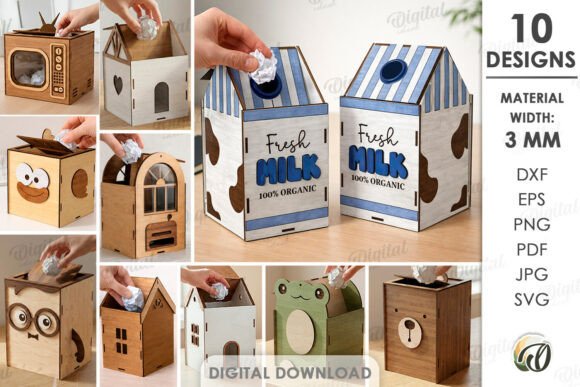
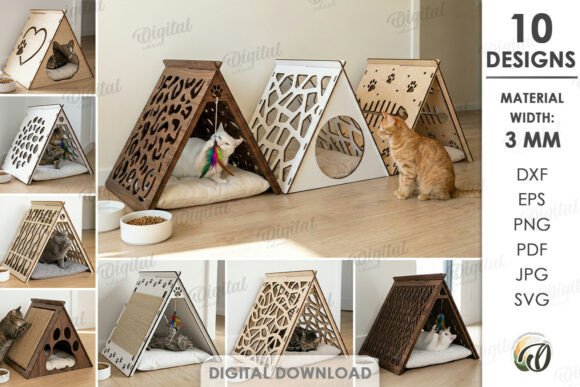
Before diving into the cutting process, it is crucial to clarify the nature of the purchase. The 3D Pet Houses Bundle Laser Cut is a purely digital product. No physical goods will be shipped to your doorstep. The photographs often associated with these listings serve as inspiration, demonstrating the potential outcome rather than the deliverable itself. Upon purchase, you receive a zip folder containing ten distinct designs. These files are provided in multiple formats, including SVG, DXF, EPS, PDF, JPEG, and PNG, ensuring compatibility with a wide range of software environments and laser cutting machines.
This format places the control entirely in the hands of the maker. It allows for immediate access to the design data, enabling rapid prototyping and production scheduling. For entrepreneurs running a small e-commerce store specializing in pet accessories, this means inventory can be managed on demand. You do not need to stockpile finished units; instead, you maintain a library of digital files that can be converted into physical products as orders come in. This "make-to-order" model significantly reduces waste and storage costs while increasing flexibility in your business operations.
Workflow Integration: From File to Finished Product
Successfully utilizing the 3D Pet Houses Bundle Laser Cut requires a structured approach that spans preparation, execution, and assembly. The process begins well before the laser machine is turned on. The first step involves selecting the appropriate file format based on your specific hardware and software stack. If you are using vector-based cutting software like LightBurn, RDWorks, or CorelDRAW, the SVG or DXF files are typically the most efficient choices. These formats preserve the geometric precision of the lines, which is critical for the interlocking joints found in 3D laser-cut structures.
Once the correct file is loaded, the next phase is material selection. The bundle specifies that a material width of 3mm is required for this project. This specification is not arbitrary; it is calculated to ensure the tabs and slots fit together snugly without requiring excessive force that could split the wood, nor so loosely that the structure lacks stability. Common materials that work well at this thickness include birch plywood, MDF, and acrylic. When planning your cut list, consider the grain direction of the wood if you are using plywood, as cutting across the grain can sometimes result in cleaner edges than cutting with it, depending on your machine's power settings.
Preparing the Workspace and Software
Efficiency in the workshop starts with organization. Before initiating the cut, arrange your digital workspace to mirror the physical layout of your material sheet. Most laser cutting software allows you to nest parts to minimize waste. With ten designs included in the bundle, you have the opportunity to create a mixed batch or focus on a single style. Nesting the parts tightly can save significant amounts of material over time, directly impacting your profit margins if you are selling the final products.
It is also advisable to perform a test cut on a scrap piece of the same material. This step verifies the power and speed settings of your laser cutter. Since the design relies on precise tolerances for the 3mm thickness, even a slight deviation in kerf (the width of the material removed by the laser) can affect the assembly. Adjusting your settings during this test phase ensures that the final production run proceeds smoothly, reducing the likelihood of errors that would require re-cutting entire panels.
Assembly and Quality Control
The transition from flat sheets to a three-dimensional structure is where the true value of the 3D Pet Houses Bundle Laser Cut becomes apparent. Unlike traditional woodworking projects that may require nails, screws, or complex joinery, these designs utilize interlocking tabs and slots. This method simplifies the assembly process, making it accessible even to those with limited carpentry experience. However, it does require attention to detail.
When assembling, start by dry-fitting the pieces. This means connecting the components without glue to ensure all joints align correctly. If you encounter resistance, check for charred edges or debris left from the cutting process. A light sanding of the edges can often resolve minor friction issues. Once the dry fit is successful, apply a thin layer of wood glue to the joints. Clamping the structure until the glue dries is essential for long-term durability, especially since pets will interact with the house frequently.
Quality control should be an ongoing part of your workflow. Inspect the final product for sharp edges or loose joints that could pose a safety risk to the animal. Sanding any rough spots and applying a pet-safe finish, such as water-based polyurethane or natural oil, adds a layer of protection against moisture and wear. This finishing step not only extends the life of the product but also enhances its aesthetic appeal, making it suitable for display in modern homes or offices.
Strategic Applications for Business and Hobby
The versatility of the 3D Pet Houses Bundle Laser Cut extends beyond simple DIY projects. For small business owners, this bundle represents a scalable asset. By mastering the production process, you can offer a range of customizable options. For instance, you might use the basic designs as a foundation and add personalized touches, such as engraving the pet's name on the front panel or offering different color stains. This customization capability allows you to differentiate your products in a crowded market.
For educators and workshop leaders, these designs provide excellent teaching tools. They demonstrate principles of geometry, engineering, and sustainable manufacturing. Students can learn about file management, vector graphics, and the mechanics of laser cutting while creating something functional and engaging. The clear documentation and variety of file formats make it easy to adapt the project for different skill levels and equipment capabilities.
Furthermore, the digital nature of the product supports a flexible business model. If you decide to expand your product line, you can easily pivot to other designs within the bundle without needing to source new physical inventory. This agility is particularly valuable in the current economic climate, where market trends can shift rapidly. By maintaining a diverse portfolio of digital assets, you can respond quickly to customer demand and seasonal trends.
Optimizing Long-Term Use and Maintenance
Integrating the 3D Pet Houses Bundle Laser Cut into your routine requires a mindset focused on continuous improvement. Keep a record of your machine settings for each material type you use. Over time, this log will become an invaluable resource, allowing you to replicate successful cuts consistently. Additionally, maintain a backup of your digital files. While the bundle provides the initial download, storing copies on cloud storage or external drives ensures you never lose access to your primary assets due to technical failures.
Consider the lifecycle of the products you create. Designing for longevity means choosing materials and finishes that can withstand the rigors of daily use. Regular maintenance checks on your laser cutter—such as cleaning lenses and mirrors—will also ensure that the quality of your cuts remains high, preserving the integrity of the intricate joints in the pet houses. By prioritizing these operational details, you build a reputation for reliability and quality, which is essential for both personal satisfaction and commercial success.
In conclusion, the 3D Pet Houses Bundle Laser Cut is more than a set of files; it is a catalyst for creativity and productivity. Whether you are a seasoned maker looking to expand your catalog or a beginner eager to explore laser cutting, this bundle provides the necessary tools to transform digital ideas into physical reality. By following a disciplined workflow, paying attention to material specifications, and focusing on quality control, you can achieve outstanding results that meet the needs of pets and their owners alike. Thank you for visiting my store; please write me a message if you have a question. Happy shopping.