Letter L Organizer Shelf STL 3D Print: A Practical Guide for Creators and Makers
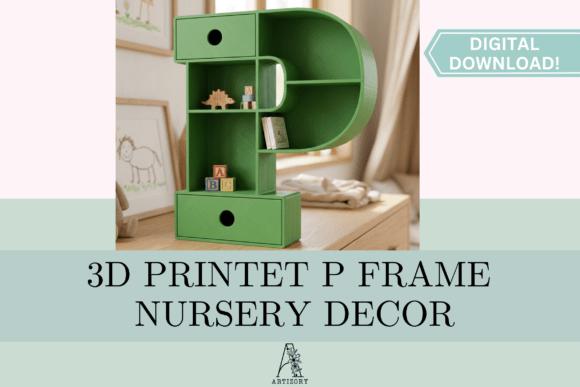
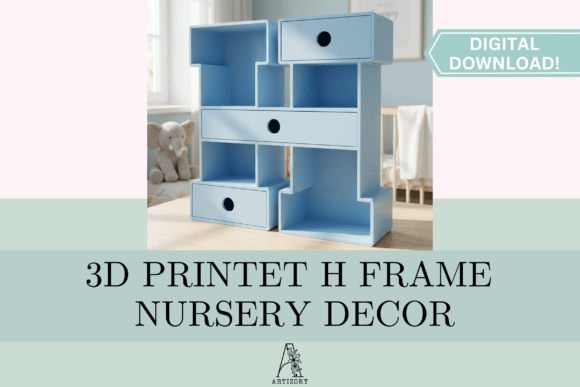
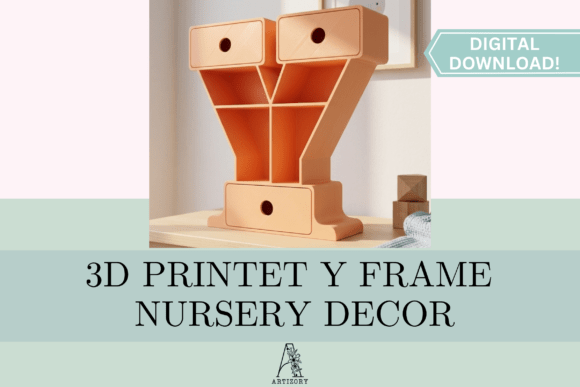
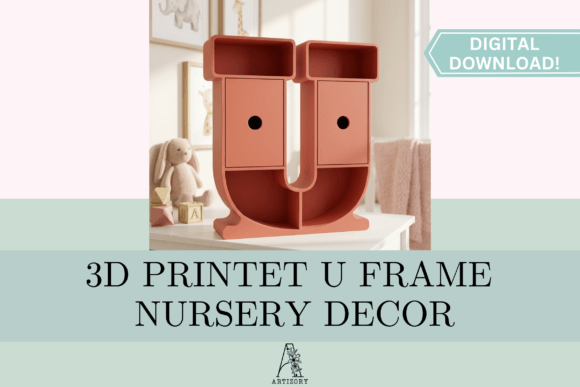
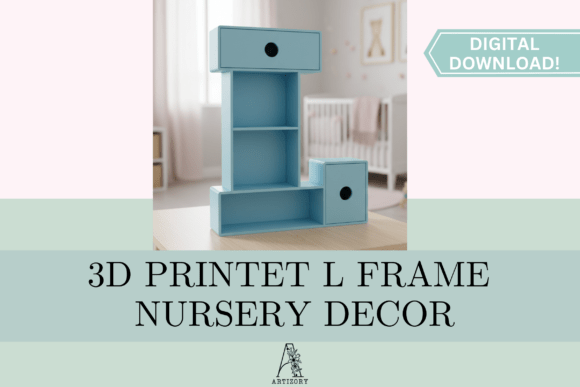
The Letter L Organizer Shelf STL 3D Print represents more than just a digital file; it is a versatile solution for transforming raw filament into functional art. For small business owners, hobbyists, and interior design enthusiasts, this specific monogram cubby offers a unique intersection of utility and aesthetics. It features a clean, modern silhouette with an integrated drawer, making it ideal for nursery decor, office storage, or personalized home accessories. However, simply downloading the file is only the first step. The difference between a professional-grade product and a frustrating print failure often lies in understanding the nuances of the design before you even hit "start."
Understanding the Design Intent and Versatility
This particular shelf is part of a broader functional alphabet series, designed to allow creators to build custom names or initials for clients. The appeal is clear: a sleek, minimalist look that doubles as sturdy storage. The design fits comfortably on a standard 25x25 cm print bed, which makes it accessible for a wide range of FDM printers without requiring industrial-sized equipment. Yet, many users overlook the structural engineering behind the aesthetic. The Letter L shelf organizer is not merely a decorative shape; it is engineered to hold weight while maintaining a thin profile.
When evaluating this project, it is crucial to recognize its dual purpose. As a gift, it offers personalization. As a commercial product, it expands your catalog with high-margin items. The drawer mechanism is the centerpiece of functionality, but it also introduces the most complex variable in the printing process. Understanding how the drawer interacts with the main body is essential for achieving a smooth finish and reliable operation.
Common Pitfalls in Choosing and Preparing the File
One of the most frequent mistakes makers make is assuming all STL files are created equal. When searching for a 3D print STL file for Letter L shelf organizer, beginners often prioritize price over quality. A poorly optimized file can lead to layer lines that mar the surface, gaps that prevent the drawer from sliding smoothly, or even catastrophic mid-print failures. Always verify that the file is fully optimized for FDM printing. This means checking the wall thickness, infill patterns, and the tolerance settings built into the model.
Another common oversight involves the printer's build volume. While this design fits a standard 25x25 cm bed, some users attempt to scale the model up without adjusting the slice settings. Scaling a functional object like this requires careful consideration of the drawer's clearance. If you enlarge the letter by 20% but do not adjust the gap between the drawer and the frame, the drawer will bind. Conversely, scaling down too much can make the drawer handle impossible to grip. Stick to the original dimensions unless you have experience modifying tolerances in your slicer software.
Optimizing Supports and Print Settings
The beauty of this specific Letter L storage STL design is its efficiency regarding support material. The geometry is largely self-supporting, meaning you rarely need extensive scaffolding. The only area typically requiring support is the drawer handle. However, this is where many prints go wrong. Using default support settings can result in difficult-to-remove supports that leave ugly scars on the visible face of the letter. These imperfections ruin the "clean, modern aesthetic" that buyers expect.
To avoid this, configure your slicer to use minimal supports strictly under the handle. Consider using soluble supports if your printer allows it, or manually place tree supports that minimize contact points. Furthermore, pay attention to the orientation. Printing the letter flat on the bed maximizes strength along the Z-axis for the shelves, but it may require more supports for the overhangs. Printing it standing up reduces supports but might weaken the horizontal shelves. For a functional item intended for real-world use, the flat orientation is usually superior, provided you manage the supports correctly.
Avoiding Quality Issues with the Drawer Mechanism
The drawer is the heart of this organizer, yet it is the most fragile element during printing. A common error is neglecting the calibration of the nozzle diameter relative to the file's internal dimensions. If your printer has a 0.4mm nozzle but the file was designed with tighter tolerances, the drawer may get stuck. Before committing to a full print, consider slicing the model to check the "preview" mode for any collision warnings.
Additionally, the choice of filament matters significantly. PLA is popular for its ease of use, but it can warp slightly with temperature changes, potentially jamming the drawer over time. For a product meant to be sold or used long-term, PETG offers better durability and thermal stability. Ensure your bed adhesion is perfect; if the base of the "L" lifts during the first few layers, the entire alignment of the drawer cavity shifts, rendering the unit unusable. A brim or raft is highly recommended to ensure a rock-solid foundation.
Evaluating the Commercial Potential
For entrepreneurs looking to expand their shop's catalog, the Letter L Organizer Shelf STL 3D Print offers a scalable opportunity. However, success depends on consistency. Customers buying personalized nursery decor or office storage expect a uniform finish across multiple units. If you are printing a batch, test one unit thoroughly before running the rest. Check the drawer slide, inspect the surface for stringing, and verify the structural integrity.
Marketing this item effectively requires highlighting its customization potential. Emphasize that it is part of an alphabet series, allowing customers to spell out names or create matching sets. This adds value beyond a single shelf. When presenting the product, show images of the finished piece in a real setting—a desk, a nursery shelf, or a vanity. Visual context helps buyers understand the scale and utility, reducing hesitation and increasing conversion rates.
Final Checklist Before You Print
Before you download and slice the Letter L shelf organizer, run through this practical checklist to ensure a successful outcome:
- Verify Build Volume: Confirm your printer bed is at least 25x25 cm to accommodate the design without scaling.
- Check Support Requirements: Ensure your slicer is set to apply supports only to the drawer handle to maintain a clean surface.
- Assess Tolerances: Review the drawer clearance in your slicer preview to prevent binding.
- Select Appropriate Material: Choose PETG for durability or high-quality PLA for a smooth finish, depending on the intended use.
- Test First Layer Adhesion: Use a brim or raft to prevent warping, which can misalign the drawer track.
By approaching the Letter L Organizer Shelf STL 3D Print with these considerations, you move from simply following instructions to mastering the craft. Whether you are creating a one-off gift or building a collection of alphabet organizers, attention to detail ensures the final product is sturdy, stylish, and ready for real-world use. This level of care not only improves your own satisfaction but also builds trust with your customers, establishing your reputation as a provider of high-quality, functional 3D printed goods.