3D Geometrical Vase STL 067: A Practical Guide to Printing and Placement
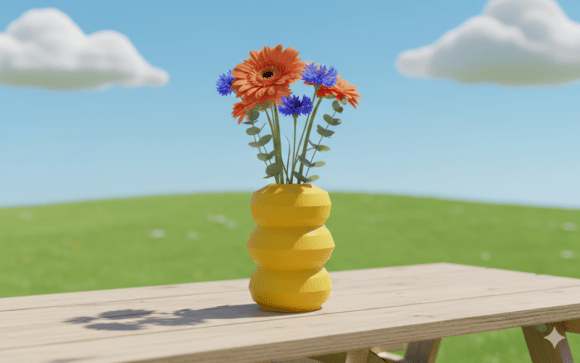
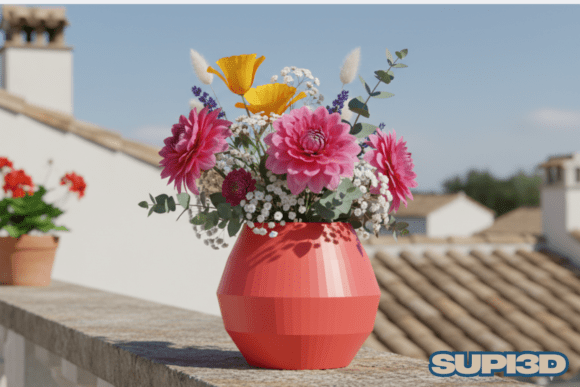
The world of 3D printing offers endless possibilities for creating custom home decor, but not every model delivers on its promise. The 3D Geometrical Vase STL 067 stands out as a design that balances aesthetic appeal with functional simplicity. It features an understated modern look defined by smooth surfaces and minimal detailing, making it a versatile addition to any space. Whether you are furnishing a home office, styling a commercial lobby, or simply adding a touch of greenery to your living room, this model provides a contemporary touch without overpowering the surroundings. However, owning the file is only the first step; understanding how to print, finish, and utilize it correctly is where many enthusiasts stumble.
Understanding the Design Intent
At its core, the 3D Geometrical Vase STL 067 is designed to be a vessel that recedes into the background while highlighting its contents. The form provides ample space for plants or flowers to grow comfortably, ensuring that roots have room to expand and stems can stand tall. The flat base is a critical engineering feature intended to ensure stable placement on any surface, from delicate glass tables to sturdy wooden desks. This stability is often overlooked in favor of more complex, artistic bases that may wobble or tip over when filled with water and soil.
Many users are drawn to this specific STL file because it allows for significant customization. The model can be printed in a wide range of materials, depending on your 3D printer and filament choice. From a warm, natural finish using wood-infused PLA to a sleek and modern look achieved with matte black PETG, the design adapts to your vision. This flexibility makes it ideal for experimentation, allowing creators to test different textures and colors without compromising the structural integrity of the vase.
Common Pitfalls When Printing Geometric Vases
Despite its straightforward appearance, printing the 3D Geometrical Vase STL 067 comes with specific challenges that can ruin the final result if ignored. One of the most frequent mistakes beginners make is neglecting the infill settings. Because this vase is intended to hold water or soil, a standard 15% or 20% infill is insufficient. Without proper internal density, the walls may bow outward under the weight of the contents, or worse, leak through microscopic gaps between layers.
Another common error involves the orientation of the print. While the flat base ensures stability, printing the vase upside down or at an angle to save support material can compromise the smoothness of the exterior. The design relies on clean lines and smooth surfaces to achieve its modern aesthetic. If you attempt to print it with excessive supports touching the visible sides, removing them will leave behind pockmarks and rough patches that are difficult to sand down without altering the geometric precision.
Furthermore, there is a misunderstanding regarding layer height and wall thickness. Some users prioritize speed over quality, opting for high layer heights (0.3mm or higher) to print quickly. For a geometric design like STL 067, this approach results in visible ridges that disrupt the flow of the pattern. Similarly, printing with a single wall thickness is a recipe for disaster. A single-wall vase may hold dry flowers temporarily, but it will fail immediately when exposed to moisture, leading to leaks that can damage furniture.
Avoiding Costly Mistakes in Material Selection
The choice of filament plays a pivotal role in the success of your project. A practical mistake many makers make is assuming all filaments are suitable for planters. Standard PLA is popular due to its ease of printing, but it is not inherently waterproof. Over time, water absorption can cause PLA vases to warp or degrade, especially if left outdoors or used frequently for fresh flowers.
To avoid this, consider switching to PETG or ASA for projects involving water. These materials offer better resistance to moisture and UV light, ensuring the vase remains durable and attractive. If you prefer the aesthetic of PLA, apply a waterproof sealant after printing. Skipping this step is a common oversight that leads to frustration when the vase begins to leak weeks after completion. Additionally, be mindful of thermal expansion. Materials like ABS can warp during cooling if not printed in an enclosed chamber, potentially ruining the flat base required for stable placement.
Optimizing Your Slicing Strategy
Before hitting the print button, take the time to configure your slicer settings specifically for the 3D Geometrical Vase STL 067. The goal is to maximize strength while maintaining the smooth finish that defines the design. Set your wall count to at least three or four perimeters. This creates a solid barrier against leaks and adds rigidity to the structure. Combine this with a moderate infill density of 40% to 50% using a gyroid or cubic pattern, which distributes stress evenly throughout the vase.
Pay close attention to the bottom layers. Since the flat base is crucial for stability, increase the number of bottom layers in your slicer settings. This reinforces the foundation and prevents the vase from sinking slightly into soft surfaces. Also, ensure your bed adhesion is optimal. Using a brim rather than a raft can help secure the base without adding unnecessary material that needs to be removed later, preserving the clean edge of the design.
Post-Processing and Maintenance
Once the print is complete, the work isn't finished. Easy to clean and maintain is a key selling point of this design, but achieving that requires proper post-processing. Sanding is essential to remove layer lines and create the seamless look described in the design brief. Start with a lower grit sandpaper and gradually move to finer grits for a polished finish. If you plan to paint the vase, ensure the surface is thoroughly cleaned of dust before applying primer.
Maintenance is equally important. Even with waterproof materials, regular cleaning prevents algae growth and mineral buildup. Avoid using harsh chemicals that could degrade the filament over time. Instead, use mild soap and water. By following these steps, the vase or planter enhances indoor greenery while keeping the focus on the plants themselves, fulfilling its original purpose as a stylish, functional object.
Evaluating Value Before You Buy or Download
Before committing to purchasing or downloading the 3D Geometrical Vase STL 067, evaluate whether it fits your specific needs. Check the file size and resolution to ensure it matches your printer's capabilities. A low-resolution file may lack the detail necessary for the geometric patterns to render correctly. Additionally, read user reviews or community feedback to see if others have encountered issues with scaling or warping.
Consider the scale of your space. While the design is versatile, printing it too large may overwhelm a small desk, while a tiny version might get lost in a large living room. Use the preview function in your slicing software to visualize the dimensions relative to your environment. This thoughtful evaluation ensures that the final product serves as an attractive, easy-to-print addition to your 3D printing collection and your home.
Ultimately, this modern vase or planter is more than just a digital file; it is a project that rewards careful planning and execution. By avoiding common pitfalls in slicing, material selection, and post-processing, you can create a piece that is both beautiful and durable. Whether used as a thoughtful gift for housewarmings, birthdays, or anyone who appreciates modern design, the 3D Geometrical Vase STL 067 has the potential to elevate your interior spaces when handled with expertise and care.