Owl Keyring STL 3D Model for 3D Printing: A Guide to Flawless Results
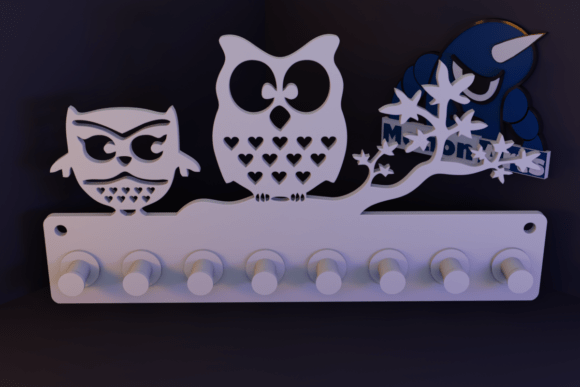
There is a distinct charm in holding a physical object that you designed and created yourself. The Owl Keyring STL 3D Model for 3D Printing captures this sentiment perfectly, blending the whimsical nature of a stylized owl silhouette with practical utility. This specific design features an owl perched on a decorative branch, complete with hollowed-out heart details and multiple pins for hanging keys, masks, or small bags. It is more than just a file; it is a project that promises a welcoming atmosphere for your home while serving as a functional organizer. However, even the most beautifully designed model can fail if the printing process isn't approached with care. Many enthusiasts rush into slicing without understanding the nuances of support structures or orientation, leading to wasted filament and frustration.
Understanding what makes this model unique is the first step toward success. The design relies on delicate lines and negative space—the hearts cut out from the owl's body—to create visual interest. While these features make the final piece stunning, they also introduce structural challenges that beginners often overlook. If you treat this like a standard solid block print, you risk collapsing the intricate branch or losing the definition of the heart shapes. The goal is to achieve a harmonious balance between the aesthetic appeal of the silhouette and the structural integrity required for daily use.
Avoiding Common Slicing Mistakes
The most frequent error when working with the Owl Keyring STL 3D Model for 3D Printing involves the orientation of the model on the build plate. Because the owl sits on a branch with overhanging leaves and heart-shaped voids, printing it flat on its back might seem logical. However, this approach often results in significant sagging on the underside of the branch and requires massive amounts of support material that are difficult to remove without damaging the delicate surface texture.
Instead, consider rotating the model so that the branch aligns diagonally or vertically, depending on your printer's capabilities. This reduces the span of unsupported overhangs. Another common misunderstanding is underestimating the need for support material entirely. The prompt explicitly notes that support is required. Ignoring this leads to "droopy" leaves and misshapen hearts that ruin the visual harmony of the piece. When supports are necessary, the type of support matters immensely. Using tree-style supports rather than dense grid supports can significantly reduce the surface area where the support touches the model, making post-processing much easier and leaving fewer marks on the owl's smooth silhouette.
Managing Hollow Details and Wall Thickness
The heart-shaped details within the owl's body are the focal point of the design, yet they are often the source of failure. A critical mistake is assuming that the default wall thickness settings will hold up during printing. If the walls surrounding the hearts are too thin, they may melt away or become fragile enough to snap when a key is inserted. Before you start the print job, inspect the model in your slicing software to ensure the perimeter count is sufficient to maintain strength without closing off the detail.
Furthermore, the hollow nature of these details means that infill strategy becomes relevant. While a high infill percentage might seem safer, it can actually cause warping due to uneven cooling in the thin sections around the hearts. A moderate infill pattern, such as gyroid or cubic, provides internal stability without adding excessive weight or stress points. Remember, the beauty of this Owl Keyring STL 3D Model for 3D Printing lies in its delicacy; over-engineering the internal structure can compromise the very lightness that makes it charming.
Choosing the Right Materials and Settings
Material selection plays a pivotal role in the final presentation. PLA is generally the best choice for beginners working on this model because it shrinks less than ABS or PETG, reducing the risk of warping on the long, thin branch. However, if you intend for the keyring to be used outdoors or in a car where temperatures fluctuate, PLA might soften. In those cases, switching to PETG is advisable, but you must adjust your retraction settings to prevent stringing, which can mar the clean lines of the owl's feathers and the branch leaves.
One overlooked detail is the nozzle size. Standard 0.4mm nozzles work well, but if you want to emphasize the fine details of the leaves and the crisp edges of the hearts, a 0.2mm or 0.3mm nozzle could yield superior results. Conversely, using a large 0.6mm nozzle might smooth over the texture, making the branch look blocky and losing the intended "nature" theme. Balance your desire for speed with the need for precision. Rushing the print with high layer heights often results in visible banding that distracts from the silhouette effect.
Post-Processing for a Professional Finish
Even with perfect slicing, the raw print will likely have support scars and rough edges. The Owl Keyring STL 3D Model for 3D Printing is designed to have an excellent finish after post-processing, but this requires patience. Do not simply rip supports off by hand; this can tear the soft plastic of the leaves or the heart outlines. Use sharp flush cutters or a hobby knife to trim supports close to the surface, then gently sand the remaining nubs.
For the heart details, ensure no filament bridges remain across the opening. A fine needle or a pin tool can clear these obstructions without widening the hole. Once sanded, a light coat of primer or paint can unify the color and hide minor layer lines, enhancing the "stylized silhouette" look. If you plan to sell these or gift them, this extra step transforms a hobbyist print into a professional-grade decorative item. The base, equipped with pins for keys, should also be checked for burrs that could scratch clothing or snag bags.
Evaluating Value and Suitability
Before downloading or purchasing the file, evaluate your specific needs. Is this purely for decoration, or will it bear the weight of heavy keys and a bag? If it is for heavy-duty use, consider reinforcing the base or printing the pins with higher infill density. The model is versatile, suitable for entrances, bedrooms, or family rooms, but its placement dictates its durability requirements. A keyring hanging on a frequently opened door experiences more vibration and impact than one resting on a shelf.
Additionally, think about the emotional resonance of the gift. This model conveys affection through its heart motifs and animal theme. If you are creating personalized gifts, take the time to choose colors that match the recipient's decor. The harmonious design allows for creative freedom in coloring—perhaps a matte black for a modern look or pastel tones for a nursery. Avoid the mistake of treating all prints the same; tailor your approach to the end-user's environment.
In summary, the Owl Keyring STL 3D Model for 3D Printing offers a wonderful opportunity to combine art and function. By avoiding common pitfalls related to orientation, support generation, and material choice, you can ensure a successful print that stands the test of time. Focus on the details, respect the structural limits of the design, and embrace the post-processing stage as part of the creation. With these adjustments, you will produce a piece that is not only visually striking but also robust enough for everyday utility, bringing a touch of nature and warmth to any space.