Elevating Modern Interiors with the 3D Radio Planter STL 077
In the rapidly evolving landscape of interior design and digital fabrication, the intersection of form, function, and personalization is where true innovation occurs. Professionals, creators, and enthusiasts are increasingly seeking objects that do more than occupy space; they demand items that reflect a curated aesthetic while serving a practical purpose. Enter the 3D Radio Planter STL 077, a design that exemplifies the shift towards understated modernism in home and office environments. This digital model represents more than just a printable file; it is a testament to how 3D printing technology is reshaping our approach to decor, sustainability, and creative expression.
The Essence of Understated Modernism
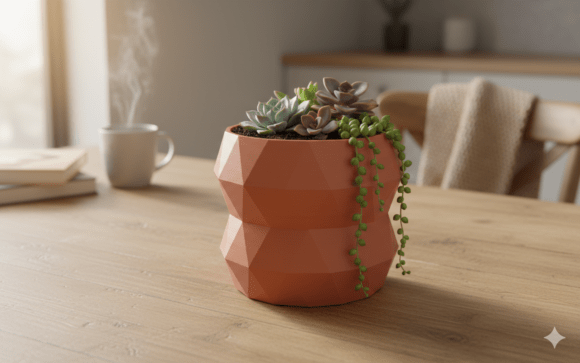
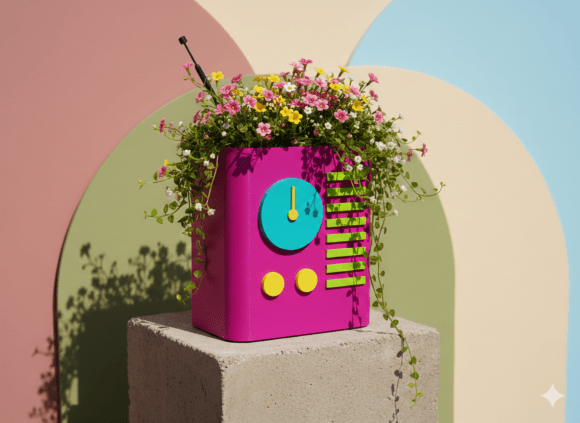
The defining characteristic of the 3D Radio Planter STL 077 lies in its commitment to an understated modern aesthetic. In an era often cluttered with excessive ornamentation, this design offers a refreshing counter-narrative through smooth surfaces and minimal detailing. It does not shout for attention but rather integrates seamlessly into its surroundings, adding a contemporary touch without overpowering the existing architecture or furniture.
This approach aligns with broader consumer trends favoring "quiet luxury" and minimalist living. Whether placed in a sleek corporate office, a cozy residential living room, or a commercial lobby, the planter's form provides ample space for plants or flowers to grow comfortably. The flat base ensures stable placement on any surface, addressing a common pain point in decorative planters where instability can lead to accidents or damage. By prioritizing stability and clean lines, the design allows the natural beauty of the greenery to take center stage, effectively keeping the focus on the plants themselves.
Design Philosophy and Spatial Integration
For interior designers and architects, the ability to source custom elements that fit specific spatial constraints is invaluable. The 3D Radio Planter STL 077 serves as a versatile tool in this regard. Its geometric purity makes it adaptable to various styles, from industrial lofts to Scandinavian-inspired apartments. The lack of intricate textures means that the visual weight of the object is light, preventing it from visually crowding smaller spaces.
Furthermore, the design's simplicity facilitates easy cleaning and maintenance. In high-traffic commercial environments or busy households, durability and ease of care are paramount. A planter that collects dust in hard-to-reach crevices becomes a liability; conversely, the smooth contours of this model ensure that upkeep is straightforward, enhancing indoor greenery initiatives without adding to the maintenance burden.
Bridging Digital Design and Physical Reality
The relevance of the 3D Radio Planter STL 077 extends beyond its physical appearance; it is deeply rooted in the democratization of manufacturing. As 3D printing technology matures, the barrier between digital concept and physical object continues to dissolve. This model can be printed in a wide range of materials, depending on your 3D printer and filament choice, offering a level of customization that mass-produced alternatives simply cannot match.
From a warm, natural finish achieved through wood-infused filaments to a sleek and modern look using matte PLA or durable PETG, this design is ideal for customization and experimentation. For entrepreneurs and makers, this flexibility opens up new revenue streams. Instead of stocking inventory of generic planters, businesses can offer bespoke services, allowing clients to choose colors, textures, and even scale adjustments to perfectly match their brand identity or personal taste.
Material Versatility and Sustainability
Sustainability is no longer a niche concern but a central pillar of modern business strategy. The 3D Radio Planter STL 077 supports eco-conscious workflows by enabling on-demand production. This reduces waste associated with overproduction and long-distance shipping. Creators can utilize recycled filaments or biodegradable materials like PLA, ensuring that the final product aligns with environmental values.
The ability to experiment with different materials also allows for functional adaptations. For instance, printing with UV-resistant filaments could make the planter suitable for semi-outdoor use, while using flexible TPU could add a layer of impact resistance for public spaces. This adaptability reflects changing expectations in the market, where consumers demand products that are not only beautiful but also responsible and tailored to specific needs.
Market Trends and Consumer Behavior
Why are professionals and enthusiasts paying such close attention to designs like the 3D Radio Planter STL 077? The answer lies in a shifting paradigm regarding ownership and creativity. The modern consumer is increasingly looking for unique items that tell a story. Mass-market goods often fail to provide this sense of individuality, leading to a surge in interest in 3D printed artifacts.
Moreover, the integration of biophilic design—the practice of connecting people with nature—into urban environments has never been more critical. Plants improve air quality, reduce stress, and boost productivity. However, finding containers that complement modern, tech-forward interiors can be challenging. The 3D Radio Planter STL 077 bridges this gap, offering a vessel that feels at home alongside smart devices and minimalist furniture.
A Thoughtful Gift for Modern Occasions
Beyond professional applications, this model has carved out a significant niche in the gifting sector. It makes a thoughtful gift for housewarmings, birthdays, or anyone who appreciates modern design. Unlike traditional gifts that may sit unused, a 3D printed planter encourages the recipient to engage with nature and personalize their space. The act of giving a custom-printed item adds a layer of sentimentality, showing that time and effort were invested in selecting something unique.
For freelancers and small business owners, offering these as branded merchandise or client gifts can enhance brand perception. A sleek, custom-colored planter left on a client's desk serves as a constant, subtle reminder of the service provider's attention to detail and modern sensibility.
Workflow Optimization for Creators
Integrating the 3D Radio Planter STL 077 into a creator's workflow is seamless. The file is designed to be user-friendly, minimizing the need for complex slicing parameters or support structures. This efficiency is crucial for professionals managing tight deadlines or large-scale orders. The model's geometry is optimized for print reliability, reducing the risk of failed prints and material waste.
As the 3D printing community grows, the expectation for high-quality, ready-to-print files increases. Enthusiasts no longer want to spend hours tweaking models; they want reliable assets that deliver consistent results. This design meets those expectations, serving as an attractive, easy-to-print addition to any 3D printing collection. It empowers users to focus on the creative aspects of their projects—such as color selection and arrangement—rather than troubleshooting technical issues.
Future-Proofing Your Creative Portfolio
Looking forward, the versatility of the 3D Radio Planter STL 077 positions it as a staple in the portfolios of forward-thinking designers. As virtual reality and augmented reality tools become more integrated into physical design processes, having a library of modular, adaptable 3D assets becomes essential. This planter can be easily modified, scaled, or combined with other elements to create larger installations or interactive displays.
The trend towards hybrid workspaces further amplifies its relevance. As offices transform into collaborative hubs that blend residential comfort with professional functionality, the need for decor that supports both aesthetics and well-being grows. The 3D Radio Planter STL 077 fits perfectly into this narrative, offering a solution that is as practical as it is stylish.
Conclusion
The 3D Radio Planter STL 077 is more than a digital file; it is a reflection of the evolving relationship between technology, design, and lifestyle. By combining an understated modern aesthetic with the limitless possibilities of 3D printing, it addresses the changing needs of professionals, creators, and consumers alike. Whether used to enhance a commercial interior, customize a personal workspace, or serve as a meaningful gift, this design stands as a powerful example of how digital innovation can enrich our physical world. As we continue to embrace sustainable practices and personalized experiences, models like this will undoubtedly play a pivotal role in shaping the future of interior design and creative manufacturing.