Modern Geometric Planter 3D Model for 3D Print: A Strategic Asset for Design and Production
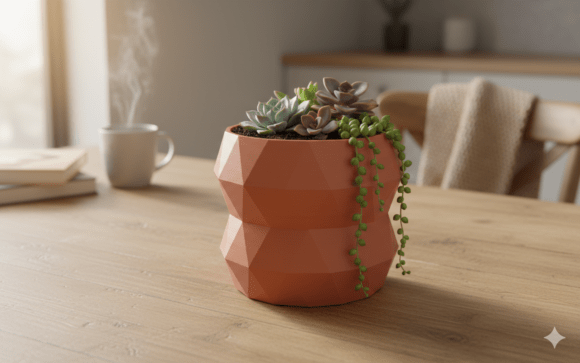
In the realm of digital fabrication and interior design, the Modern Geometric Planter 3D Model for 3D Print represents more than a simple digital file; it is a tool for precise aesthetic execution. This specific model, characterized by its low-poly architecture and stacked geometric form, offers a distinct advantage for professionals and hobbyists alike who require scalable, reproducible, and visually dynamic elements for their spaces. By integrating this model into your workflow, you move beyond generic decor solutions toward intentional design choices that align with contemporary architectural trends.
The strategic value of this asset lies in its optimization. Designed specifically to house standard 10cm x 10cm pots, the geometry eliminates the trial-and-error phase often associated with custom planter creation. Whether you are an entrepreneur launching a line of home goods, a marketer curating a branded office environment, or a homeowner seeking to elevate a living space, the ability to deploy a pre-engineered solution saves time and resources. The faceted surface is not merely decorative; it serves a functional optical purpose, creating a dynamic interplay of light and shadow that changes throughout the day, adding depth to static environments.
Aligning Design Assets with Strategic Goals
Effective decision-making in design requires understanding how individual assets contribute to broader objectives. When you utilize the Modern Geometric Planter 3D Model for 3D Print, you are making a statement about precision and modernity. For small business owners and creators, consistency is key to branding. Using a standardized, high-quality 3D model ensures that every unit produced maintains the same structural integrity and visual appeal. This consistency builds trust with customers and reinforces a professional image.
Consider the operational benefits for a freelancer or a boutique studio. Instead of spending hours modeling a complex shape from scratch, leveraging this ready-to-print file allows you to focus on material selection, post-processing, and client communication. The model's compatibility with standard pot sizes streamlines the supply chain. You do not need to source custom-sized containers; you can utilize widely available 10cm x 10cm nursery pots, reducing procurement complexity and cost. This operational efficiency translates directly to better margins and faster project turnaround times.
Furthermore, the low-poly aesthetic of the Modern Geometric Planter 3D Model for 3D Print aligns with current market demands for minimalist yet textured decor. In marketing and presentation contexts, such as product photography or showroom displays, the angular facets catch light uniquely, ensuring that plants housed within look stunning from every angle. This visual impact can be leveraged to enhance customer experience, making a physical retail space or a digital portfolio stand out against competitors using traditional, smooth-surfaced planters.
Optimizing the Printing Workflow and Material Selection
To achieve the best results with the Modern Geometric Planter 3D Model for 3D Print, one must approach the production process with a clear plan. The model is optimized for a seamless printing experience, but success depends on proper configuration. Because the design features a stacked geometric structure, layer adhesion and orientation are critical factors. Printing with the base down generally ensures stability, but depending on the desired finish, rotating the model might reduce support material usage, thereby saving filament and post-processing time.
Material choice significantly influences the final outcome. For indoor greenery and succulents, PLA (Polylactic Acid) is often sufficient due to its ease of use and variety of colors. However, if the planter is intended for a sunlit window where UV exposure is a concern, PETG or ASA would be more durable long-term investments. The faceted nature of the design means that layer lines can either be hidden within the angles or highlighted as a textural feature. Understanding this allows you to make informed decisions about print resolution. A lower layer height might be necessary to ensure the sharp edges of the low-poly design remain crisp, rather than appearing rounded or soft.
It is also essential to consider the scale. Since the Modern Geometric Planter 3D Model for 3D Print is calibrated for 10cm x 10cm pots, scaling the model up or down without adjusting the wall thickness can lead to structural failure or wasted material. If you decide to resize the model for larger specimens, you must recalculate the infill density and wall perimeters to maintain rigidity. This technical foresight prevents failed prints and ensures the final product meets safety and durability standards.
Functional Considerations and Plant Care Integration
A critical aspect of strategic planning when using the Modern Geometric Planter 3D Model for 3D Print involves understanding its limitations regarding plant care. It is important to note explicitly that there are no drainage holes in the planter. This design choice prioritizes aesthetic purity and structural simplicity but necessitates a specific approach to plant maintenance. Users must treat this object as a decorative cachepot rather than a direct planting vessel.
To use this model effectively, you should place a standard nursery pot inside the geometric shell. This method provides the necessary drainage for the soil while keeping the exterior clean and dry. This dual-system approach is particularly beneficial for succulents and small indoor greenery, which are prone to root rot if water accumulates at the bottom. By anticipating this requirement during the planning phase, you avoid damaging both the plant and the printed plastic. This practical consideration demonstrates a thoughtful approach to design implementation, ensuring longevity for both the flora and the artifact.
For educators and content creators, this distinction offers a valuable teaching moment or content angle. Explaining the "cachepot" concept highlights the importance of separating form from function in design. It encourages users to think critically about how they interact with their environment. When marketing this item, emphasizing the need for an inner pot transforms a potential negative (lack of holes) into a positive feature (versatility and protection), allowing users to swap plants easily without disturbing the outer shell.
Risks of Unintentional Deployment
While the Modern Geometric Planter 3D Model for 3D Print offers significant advantages, deploying it without clear goals or context carries risks. One common pitfall is over-reliance on the aesthetic without considering the environment. Placing a low-poly, angular planter in a setting dominated by organic, curved furniture may create visual dissonance rather than harmony. Strategic design requires assessing the existing ecosystem before introducing new elements.
Another risk involves the assumption of durability. 3D printed objects, regardless of their sleek appearance, have different mechanical properties compared to injection-molded plastics or ceramics. Without proper material selection and print settings, the planter could become brittle or warp under heat. If a user intends to leave the planter outdoors without accounting for UV degradation or thermal expansion, the investment is lost quickly. Decision-makers must evaluate the intended lifespan and location of the object to ensure the chosen materials and print parameters align with environmental conditions.
Furthermore, ignoring the lack of drainage holes can lead to immediate failure in terms of plant health. Users who attempt to fill the printed shell directly with soil will likely kill their plants due to waterlogging. This oversight reflects a lack of preparation and can damage credibility for professionals selling these items. Always communicating the intended use—housing a separate pot—is a non-negotiable part of responsible distribution and usage.
Long-Term Value and Intentional Application
The true power of the Modern Geometric Planter 3D Model for 3D Print emerges when it is used intentionally as part of a cohesive strategy. For entrepreneurs, this model can serve as a prototype for a larger collection, allowing for rapid iteration and market testing with minimal upfront cost. The digital nature of the file means it can be modified, colored, or scaled for different product lines, offering flexibility that physical molds cannot match.
For homeowners and decorators, the planter acts as a focal point that brings a sense of order and modernity to a room. The stacked geometric design introduces verticality and rhythm, drawing the eye upward and adding architectural interest to flat surfaces. Over time, as the plant grows, the contrast between the rigid, man-made geometry and the organic growth of the succulent creates a compelling narrative of balance between nature and technology.
Ultimately, the decision to integrate this model into your projects should be driven by a desire for quality, efficiency, and visual impact. By respecting the technical specifications, understanding the care requirements, and aligning the aesthetic with your broader goals, you transform a simple digital file into a valuable asset. The Modern Geometric Planter 3D Model for 3D Print is not just a container for plants; it is a testament to the power of thoughtful design and strategic execution in the modern world.