Valentine's Heart in Hands: The Ultimate Modular 3D Printable Gift Guide
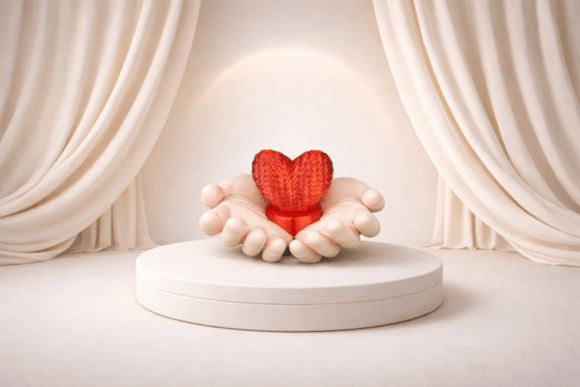
In the realm of modern gift-giving, there is a growing desire to move beyond mass-produced items and create something deeply personal. This shift has led many hobbyists and creators to embrace 3D printing as a medium for expressing affection. Among the most popular designs emerging from this digital craft movement is the Valentine’s Heart in Hands 3D Model. This unique design features a pair of open hands gently cradling a round base topped with a knitted-style heart. It is more than just a decorative object; it is a symbol of love, care, and warmth that can be customized, printed, and gifted with ease.
Whether you are an experienced maker looking for your next project or a beginner eager to try your hand at additive manufacturing, understanding the intricacies of this model is essential. This guide explores the purpose, significance, and practical application of the Valentine’s Heart in Hands model, offering insights into how to print it successfully and why it stands out in the world of 3D printable gifts.
The Symbolism and Significance of the Design
At its core, the Valentine’s Heart in Hands model tells a story without saying a word. The imagery of hands holding a heart is universally recognized as a gesture of protection, offering, and deep emotional connection. Unlike a simple heart shape which represents love abstractly, the addition of hands introduces the human element—the active choice to care for someone. This makes the model particularly poignant for occasions such as Valentine’s Day, anniversaries, or even apologies where words sometimes fail.
The design incorporates a specific aesthetic detail: the heart features a knitted texture. This texture mimics the look of a handmade sweater or a cozy blanket, evoking feelings of comfort and domestic warmth. In a world increasingly dominated by sleek, cold technology, this organic, tactile quality provides a comforting contrast. It bridges the gap between digital creation and traditional craftsmanship, making the final printed object feel like a labor of love rather than a machine-made product.
Why Choose a Modular 3D Printable Model?
One of the most significant advantages of the Valentine’s Heart in Hands – Modular 3D Printable Model is its flexibility. In 3D printing, "modular" means the design is broken down into distinct parts that can be printed independently or together. For this specific model, the hands, the round base, and the knitted heart are separate components. This architecture offers several practical benefits for both novice and advanced users.
Flexibility in Printing Strategy
- Print Separately: You can print each component on different days or using different filaments. For example, you might print the hands in a skin-tone PLA and the heart in a vibrant red PETG, allowing for material variety without needing multiple spools loaded simultaneously.
- Print Together: If your printer has a large enough build volume, you can arrange the parts on the bed to print them all in one go, saving time and energy.
- Easier Post-Processing: Printing complex textures like the knitted heart separately often results in fewer support structures being needed, leading to a cleaner surface finish and less sanding required after the print is complete.
This modularity also reduces the risk of failure. If a print fails halfway through—perhaps due to a filament run-out—you do not lose the entire assembly. You simply reprint the failed part, ensuring that your project remains viable even when things go wrong.
Technical Considerations for Optimal Results
While 3D printing is accessible, achieving high-quality results requires attention to specific settings. The Valentine’s Heart in Hands model relies heavily on fine details, particularly in the fingers of the hands and the loops of the knitted heart. Ignoring these technical nuances can result in a print that looks blocky or loses its intended charm.
The Importance of Layer Height
To capture the intricate surface details of the knitted texture and the subtle curves of the hands, a standard layer height of 0.2 mm may not suffice. For the best texture reproduction, a layer height of 0.08 mm is highly recommended. While this setting will increase print time significantly compared to standard drafts, the difference in visual quality is profound. The finer layers allow the printer nozzle to lay down plastic with greater precision, smoothing out the "stair-stepping" effect often seen on curved surfaces.
Scaling Guidelines
When preparing your model in slicing software, scaling is a common adjustment. However, with detailed models like this, size matters. It is not recommended to scale the model below 100%. Reducing the size compresses the geometry, which can cause the delicate knitted loops to merge or the fingers to lose their definition. Furthermore, the modular fit between the hands, base, and heart may become compromised if the tolerances are altered too drastically.
Conversely, scaling up is generally safe and encouraged, provided you stay within your printer’s build volume. A larger print can serve as a centerpiece for a table or a shelf decoration, amplifying the impact of the design. Just remember that increasing the size will also require more filament and a longer print duration.
Customization: Making the Gift Your Own
One of the greatest strengths of 3D printing is the ability to customize colors easily. With the modular nature of the Heart in Hands model, color customization becomes a creative exercise rather than a post-print painting job.
You can utilize your slicer software to assign different colors to different parts before the print even begins. Imagine printing the hands in a warm beige tone, the base in a soft white, and the heart in a gradient of pink and red. Alternatively, you could match the recipient’s favorite color palette or coordinate with existing home decor. This level of personalization ensures that the gift feels tailored specifically to the person receiving it, adding a layer of thoughtfulness that store-bought items cannot replicate.
Common Misunderstandings and Best Practices
As with any new technology, there are misconceptions about what 3D printing can achieve. A common assumption is that 3D printed objects are inherently fragile or low-quality. However, when printed with appropriate settings like the recommended 0.08 mm layer height and suitable materials (such as PLA or PETG), the Valentine’s Heart in Hands model is durable enough to withstand handling and display for years.
Another misunderstanding is that 3D printing requires expensive equipment. In reality, affordable FDM (Fused Deposition Modeling) printers are widely available and capable of producing this model with excellent results. The key lies not in the price of the machine, but in the user's willingness to adjust settings for quality. By following the guidelines for layer height and scaling, even entry-level printers can produce professional-looking results.
Integrating 3D Printing into Modern Life
The rise of models like the Valentine’s Heart in Hands reflects a broader trend in modern life: the democratization of creativity. In our daily activities, work, and education, we are increasingly encouraged to be makers rather than just consumers. This model fits perfectly into that narrative. It serves as an educational tool for students learning about geometry, design, and engineering, while also providing a creative outlet for adults seeking to express emotions in tangible ways.
For businesses and educators, such models offer opportunities to teach concepts of modular design, tolerance fitting, and surface texture optimization. In a business context, creating custom 3D printed gifts can enhance brand loyalty or serve as unique corporate swag during special occasions. The ability to produce high-quality, personalized items on demand reduces waste associated with overproduction and allows for a more sustainable approach to gifting.
Conclusion
The Valentine’s Heart in Hands 3D Model is more than just a file to be downloaded and printed; it is a testament to the power of combining technology with emotion. Its modular design, detailed knitted texture, and symbolic imagery make it an ideal choice for anyone looking to create a meaningful gift. By adhering to the recommended printing settings—specifically the 0.08 mm layer height and maintaining a minimum scale of 100%—you ensure that the final product captures the warmth and care intended by the design.
Whether you are printing for a loved one, a friend, or yourself, this model offers a unique way to celebrate love in the digital age. As you embark on your printing journey, remember that the true value lies not just in the object itself, but in the time, effort, and creativity invested in bringing it to life. Happy printing, and happy Valentine’s Day!